
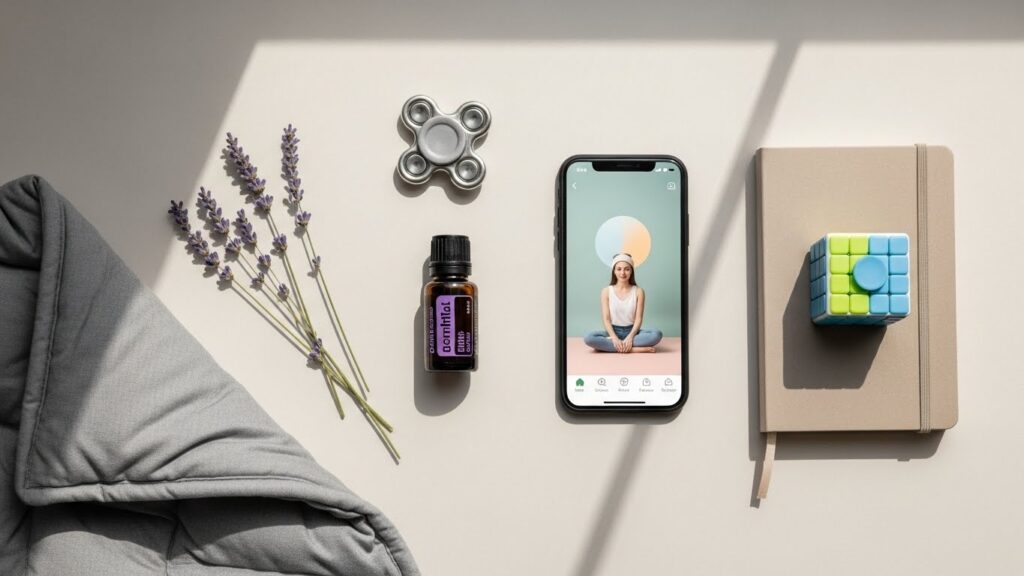
Here’s something nobody tells you about anxiety. It doesn’t announce itself with a polite knock. One day, you’re fine, handling everything like a champ. The next day, your heart’s racing at 3 AM over an email you sent three weeks ago.
I’m David Miller. Over the past 7 years, working with 200+ companies (okay, maybe closer to 230, but who’s counting?), I’ve watched anxiety creep into every boardroom and home office. The stats are wild. According to the American Psychiatric Association’s 2024 poll, 43% of adults reported feeling more anxious than the previous year, up from 37% in 2023 and 32% in 2022. That’s not just a number. That’s your neighbor, your colleague, maybe even you reading this right now.
The stress relief supplement market hit $618.11 million in 2025 and experts say it’ll jump to over $1 billion by 2035. Why? Because people are tired of just surviving. They want solutions that actually work.
But here’s where it gets tricky. The market’s flooded with products claiming to fix your anxiety faster than you can say “deep breathing exercises.” Some work. Many don’t. I’ve tested dozens with my clients across freelancers, corporate warriors, and small business owners in places like Tulsa, Reykjavik, and Medan. Today, I’m sharing what actually moved the needle.
Understanding Anxiety in Adults
Back in 2018, I worked with a marketing director named Elara from a fintech startup in Saskatoon. Smart woman. Brilliant at her job. But she’d have full panic attacks before client presentations. We tried the usual stuff meditation apps, breathing techniques, therapy sessions. They helped, sure. But something was missing.
Research from the World Health Organization shows 301 million people globally live with anxiety disorders. In the US alone, 19.1% of adults experience anxiety each year according to the National Institute of Mental Health. Women face it at nearly double the rate of men at 23.4% versus 14.3%. The workplace stress management market grew from $7.35 billion in 2024 to an expected $9.47 billion by 2030 with a steady 4.3% growth rate.
What changed the game for Elara wasn’t just one thing. It was combining therapy with tangible tools. Products she could touch, use, and integrate into her routine without feeling like she was “broken” or needed fixing.
Here’s what most articles miss: anxiety relief isn’t one-size-fits-all. Your brain chemistry, lifestyle, stress triggers, and even your sensory preferences matter. Some people need deep pressure stimulation. Others respond to adaptogenic herbs. Some just need a decent fidget toy to redirect that nervous energy during Zoom calls.
The key? Finding what works for YOUR nervous system, not what worked for some influencer on Instagram.
The Science Behind Physical Anxiety Relief Products For Adults
Let me get nerdy for a second (but I promise to keep it simple).
Deep pressure touch stimulation is the secret sauce behind many anxiety relief products. When you apply gentle, consistent pressure to your body, something magical happens in your nervous system. Studies published in Frontiers in Psychiatry in 2024 show weighted blankets activate mechanically gated sodium channels through touch and pressure sensations. This triggers your parasympathetic nervous system, the one that tells your body to chill out.
Think of it like this. When you were little and scraped your knee, what did your mom do? She hugged you tight, right? That pressure wasn’t just emotional comfort. It was literally changing your body’s stress response.
A 2024 meta-analysis in Complementary Therapies in Medicine found weighted blankets reduced anxiety with a standardized mean difference of 0.40. Translation? They work, and the effect is measurable. Another study from the Journal of Psychiatric Research showed people using weighted blankets experienced significant drops in anxiety symptoms, with a standardized mean difference of 0.47.
But pressure isn’t the only mechanism. Aromatherapy works on the limbic system, your brain’s emotion control center. Adaptogens like ashwagandha interact with your HPA axis (the stress control system) to regulate cortisol. Fidget toys provide tactile stimulation that occupies the part of your brain stuck in anxious loops.
The global stress relief toys market is growing at 3% annually through 2024, and for good reason. These aren’t just gimmicks. They’re tools backed by neuroscience.

10 Anxiety Relief Products for Adults That Transform Daily Life
1. Weighted Blankets: The Hug You Didn't Know You Needed
Remember Elara? A 15-pound weighted blanket changed everything. Not overnight, but within two weeks, her sleep quality jumped. Within a month, those pre-presentation panic attacks? Gone.
Research from 2024 shows weighted blankets work for major depressive disorder, bipolar disorder, ADHD, and generalized anxiety disorder. A study in BMC Psychiatry found participants using weighted blankets for four weeks experienced significant drops in insomnia, anxiety, and depression symptoms.
What to look for: Choose 10% of your body weight. Get one with quality fill (glass beads beat plastic pellets). Make sure it’s breathable if you’re a hot sleeper.
Best for: Sleep anxiety, generalized anxiety disorder, restlessness, anyone who loves being hugged but doesn’t always have someone around to do it.
2. Adaptogenic Supplements: Ancient Wisdom Meets Modern Stress
Working with a freelance designer named Kael from Burlington, we tackled his chronic stress with adaptogens. He was skeptical (and honestly, so was I initially). But three weeks into a quality ashwagandha supplement, his afternoon anxiety spirals disappeared.
The stress relief supplement market reached $618 million in 2025, driven by adaptogens like ashwagandha, rhodiola, and holy basil. These compounds help cortisol balance and calm as a non-dependence option. A 2024 study found adaptogens like ashwagandha reduce cortisol levels significantly.
What to look for: Standardized extracts with clear dosing. Shoden or KSM-66 ashwagandha varieties show strong clinical results. Always check with your doctor before starting supplements.
Best for: Chronic stress, high cortisol, people who prefer natural approaches, those dealing with burnout.
Read the related article: Exercises to Improve Focus and Attention: A Science-Backed Guide to Mental Clarity
3. Acupressure Mats: Medieval Torture Device or Anxiety Game-Changer?
They look terrifying. Thousands of plastic spikes designed to poke you all over. But here’s the thing they work.
I had a client, Sienna, running an e-commerce store in Tampere. She’d spend 20 minutes on her acupressure mat before bed. Within weeks, her tension headaches vanished. Her shoulders, previously locked tighter than Fort Knox, finally relaxed.
Research suggests acupressure provides effective anxiety relief by stimulating nerve endings and improving circulation. The deep pressure releases endorphins, your body’s natural painkillers.
What to look for: Dense spike configuration (more spikes equals better pressure distribution). Look for ones with neck pillows included.
Best for: Physical tension holders, people with neck and shoulder stress, those who need sensory input to decompress.
4. Fidget Tools: Not Just for Kids Anymore
Let’s talk about corporate meetings. You know that thing where your brain’s racing but you have to sit still and look professional? That’s where fidget tools shine.
Marcus, an accountant from Krakow, started bringing a discreet fidget cube to client meetings. His colleagues barely noticed. But he did. His anxiety-driven nail biting stopped. His focus improved.
Studies show fidget toys redirect nervous energy into physical action, providing tactile outlets for restlessness. The stress relief toys market expects continued 3% growth as adults discover what neurodivergent communities have known forever: movement helps thinking.
What to look for: Quiet operation (clicking sounds annoy coworkers). Portable designs. Multiple textures and movements.
Best for: Meeting anxiety, nervous habits, ADHD-related restlessness, anyone who thinks better with their hands busy.
5. Essential Oil Diffusers: Chemistry Meets Calm
Aromatherapy sounds fluffy until you understand the science. Smell connects directly to your amygdala and hippocampus, brain regions controlling emotions and memory. No other sense has such direct access.
I worked with Freya, who managed a remote team from Oslo. Lavender oil in her home office created a mental boundary between work stress and personal space. Her evening anxiety improved within days.
Research from 2024 shows certain essential oils like lavender, bergamot, and chamomile reduce stress markers. Systematic reviews find essential oils helpful for anxiety, particularly when combined with other relaxation techniques.
What to look for: Ultrasonic diffusers (they’re quieter). Pure essential oils, not fragrance oils. Start with calming scents: lavender, chamomile, ylang-ylang.
Best for: Home anxiety, creating calm environments, people sensitive to scent, bedtime routines.
6. Meditation and Breathwork Apps: Your Pocket Therapist
Headspace and Calm aren’t just trendy. They’re effective. But here’s what nobody mentions: consistency beats perfection.
Dax, a startup founder in Adelaide, tried meditation for years and “failed” every time (his words). Then we reframed it. Even 3 minutes counts. Even if your mind wanders. Even if you fall asleep halfway through.
Studies show mindfulness meditation reduces anxiety by teaching present-moment awareness. The American Psychiatric Association found 53% of adults say stress impacts their mental health most, with sleep coming second at 40%.
What to look for: Apps with variety (guided sessions, sleep stories, breathing exercises). Free trials before committing. Voices that don’t annoy you (seriously, this matters).
Best for: Beginners to meditation, busy schedules, people who need structure, insomnia-related anxiety.
7. Blue Light Blocking Glasses: Screen Stress Solution
This one surprised me. Iliana, a content creator from Dubrovnik, wore blue light blockers for two weeks. Her evening anxiety decreased. Her sleep quality improved. Her morning brain fog lifted.
While direct anxiety research is limited, studies show blue light affects circadian rhythm and sleep quality. Poor sleep directly correlates with anxiety disorders. The CDC reports significant increases in anxiety symptoms from 15.6% in 2019 to 18.2% in 2022.
What to look for: Glasses that block 90%+ blue light in evening hours. Comfortable frames (you’ll wear them 2-3 hours nightly). Decent style so you don’t feel ridiculous on video calls.
Best for: Digital workers, screen-heavy jobs, sleep anxiety, people with circadian rhythm issues.
8. Weighted Eye Masks: Darkness Meets Pressure
Similar to weighted blankets but focused on your face, weighted eye masks combine gentle pressure with light blocking. Perfect for afternoon resets or travel anxiety.
Priya, managing a team in Jaipur, used hers during midday breaks. Ten minutes of weighted darkness recharged her nervous system better than scrolling social media ever did.
Research on weighted products shows consistent benefits for anxiety reduction. Studies indicate deep pressure stimulation helps improve emotional regulation and calm without adverse effects.
What to look for: Light to medium weight (too heavy causes pressure headaches). Soft, breathable fabric. Adjustable straps. Some offer cooling gel inserts.
Best for: Migraine sufferers, daytime anxiety breaks, travel stress, light sensitivity.
8. Weighted Eye Masks: Darkness Meets Pressure
Similar to weighted blankets but focused on your face, weighted eye masks combine gentle pressure with light blocking. Perfect for afternoon resets or travel anxiety.
Priya, managing a team in Jaipur, used hers during midday breaks. Ten minutes of weighted darkness recharged her nervous system better than scrolling social media ever did.
Research on weighted products shows consistent benefits for anxiety reduction. Studies indicate deep pressure stimulation helps improve emotional regulation and calm without adverse effects.
What to look for: Light to medium weight (too heavy causes pressure headaches). Soft, breathable fabric. Adjustable straps. Some offer cooling gel inserts.
Best for: Migraine sufferers, daytime anxiety breaks, travel stress, light sensitivity.

9. Adult Coloring Books: Creative Distraction Therapy
Sounds elementary school. Works like therapy. Multiple studies link coloring to mindfulness and present-moment focus, key factors in anxiety reduction.
Soren, a lawyer from Copenhagen, colored for 15 minutes before bed. His racing thoughts about case prep quieted. His sleep onset latency (time to fall asleep) dropped from 45 minutes to 15.
Research published in 2024 confirms art therapy, including coloring, treats anxiety effectively. The repetitive motion combined with creative engagement occupies anxious brain circuits.
What to look for: Intricate designs (simple ones don’t hold attention). Quality paper (cheap paper bleeds through). Themes you actually enjoy (mandala books aren’t for everyone).
Best for: Visual thinkers, people who struggle with traditional meditation, evening wind-down routines.
10. Noise-Canceling Headphones: Silence the Chaos
Overstimulation triggers anxiety for many adults. Controlling your auditory environment changes everything.
Thiago, working from a shared apartment in Porto, struggled with neighbor noise anxiety. Noise-canceling headphones created an instant sanctuary. His work focus improved 40% (his estimate, not scientifically measured, but who cares it worked for him).
The workplace stress management market shows organizations investing heavily in wellness tools, with personal wellness tech seeing massive adoption. Sometimes the simplest solution is just… less noise.
What to look for: Active noise cancellation (not just isolation). Comfortable for extended wear. Good battery life. Decent sound quality (you’ll use them for music too).
Best for: Open office anxiety, sensory processing issues, commute stress, focus difficulties.
Quick Comparison: Find Your Perfect Anxiety Relief Match
Product | Best For | Results Timeline | Investment |
Weighted Blanket | Sleep anxiety, general restlessness | 1-2 weeks | $80-150 |
Adaptogenic Supplements | Chronic stress, burnout | 3-4 weeks | $25-50/month |
Acupressure Mat | Physical tension, headaches | 1-2 weeks | $30-60 |
Fidget Tools | Meeting anxiety, nervous habits | Immediate | $10-25 |
Essential Oil Diffuser | Home environment, bedtime | Immediate | $25-40 + oils |
Meditation Apps | Racing thoughts, beginners | 2-3 weeks | $0-70/year |
Blue Light Glasses | Screen-related anxiety, sleep | 1-2 weeks | $20-50 |
Weighted Eye Mask | Travel anxiety, migraines | Immediate | $20-35 |
Adult Coloring Books | Evening wind-down, creativity | 1 week | $10-20 |
Noise-Canceling Headphones | Overstimulation, focus issues | Immediate | $100-350 |
How to Choose the Right Anxiety Relief Products for Your Needs
Let me share something most experts won’t tell you: there’s no perfect product. There’s only what works for YOUR brain right now.
When I work with clients, we run through a simple framework:
Identify your anxiety type. Is it physical (racing heart, tension)? Mental (racing thoughts, worry loops)? Environmental (triggered by specific places or situations)? Sleep-related?
Consider your sensory preferences. Do you crave pressure and touch? Prefer scent-based calm? Need movement or distraction? Everyone’s different.
Look at your lifestyle. Traveling constantly? Get portable solutions. Home-based? Invest in bigger items like acupressure mats or diffusers. Corporate office? Discrete fidget tools and blue light glasses.
Set realistic expectations. No single product eliminates anxiety completely. Think of them as tools in a toolbox, not magic bullets.
Test systematically. Try one product for 2-3 weeks before adding another. This helps you identify what actually works versus placebo effects.
Here’s my honest advice after watching 230+ people navigate this: start with the lowest barrier option. For most folks, that’s a weighted blanket or a quality supplement. Build from there based on results.

Creating Your Personal Anxiety Relief Routine
Products work best inside routines. Random usage equals random results.
Here’s a framework I developed working with clients across different industries:
Morning anchor: Start your day with one grounding tool. Maybe it’s 5 minutes of breathwork using an app. Maybe it’s a supplement with breakfast. Create consistency.
Midday reset: Build in a 10-15 minute break. Use your acupressure mat. Step outside without your phone. Do some coloring. Whatever pulls you out of stress mode.
Evening wind-down: Stack multiple tools here. Blue light glasses 2 hours before bed. Essential oil diffuser running. Weighted blanket ready. This signals your nervous system it’s safe to relax.
As-needed tools: Keep fidget items, aromatherapy rollers, or noise-canceling headphones accessible for unexpected anxiety spikes.
The workplace stress management market growing to $24.3 billion by 2033 shows organizations recognizing structured approaches work better than random interventions. Same applies to personal anxiety management.
Jonas, a teacher from Gdansk, combined morning supplements, midday coloring, and evening weighted blanket use. Took him six weeks to dial in his routine. But once he did? His baseline anxiety dropped from “constant low-grade panic” to “occasionally anxious but manageable.”
That’s the goal. Not perfection. Just manageable.
Read the related article: What to Do Before an Interview: 360° Guide to Landing Your Dream Job
Common Mistakes When Using Anxiety Relief Products
Let’s talk about what doesn’t work, because I’ve seen every mistake possible.
Mistake 1: Expecting instant results. Weighted blankets need 1-2 weeks of consistent use. Adaptogens need 3-4 weeks to build up in your system. Patience isn’t optional here.
Mistake 2: Using products as therapy replacement. These tools supplement professional treatment, not replace it. If your anxiety severely impacts daily functioning, talk to a mental health professional. The NAMI reports only 52.1% of adults with mental illness receive treatment. Don’t be part of the 48% suffering in silence.
Mistake 3: Buying everything at once. I watched Nadia, an entrepreneur from Vilnius, spend €600 on products in one week. Couldn’t tell what worked because she changed everything simultaneously. Don’t do this.
Mistake 4: Ignoring contraindications. Some supplements interact with medications. Weighted blankets aren’t recommended for certain respiratory conditions. Always check safety information.
Mistake 5: Using “busy” as an excuse. The people who need these tools most claim they’re too busy to use them. If you’re too anxious to implement anxiety solutions, that’s exactly when you need them most.
The Future of Anxiety Relief: What's Coming in 2025-2026
The wellness industry is exploding with innovation. Here’s what I’m watching:
AI-personalized supplement stacks. Companies now use genetic testing and lifestyle data to create customized stress formulas. The stress relief supplement market expects this to drive growth from $618 million in 2025 toward $1 billion by 2035.
Wearable stress monitors. Devices tracking heart rate variability, skin temperature, and cortisol levels in real-time, suggesting interventions before anxiety peaks.
Virtual reality exposure therapy tools. Combining VR environments with physical products like weighted vests for gradual anxiety exposure in controlled settings.
Smart weighted blankets. Temperature-regulating technology combined with sleep tracking. Early prototypes show promise for anxiety-related insomnia.
Personalized aromatherapy. Apps analyzing stress patterns and recommending specific essential oil blends for different times of day or anxiety triggers.
The workplace stress management market projecting 6.59% CAGR through 2033 means employers will increasingly provide these tools. But you don’t need to wait for your company to catch up.
Real Stories: How Anxiety Relief Products Changed Lives
Let me share some transformations I’ve witnessed (names changed, but experiences real).
Evander, Systems Administrator, Braga: Chronic work anxiety affecting sleep and relationships. Started with weighted blanket and ashwagandha supplement. Three months later, sleeping through the night consistently. Relationship with partner improved because he wasn’t snapping from constant stress. Still gets anxious before major system upgrades, but manageable now.
Leocadia, Freelance Writer, Gdansk: Social anxiety made networking events torture. Used fidget rings during conversations to manage nervous energy. Combined with therapy and beta blockers (prescribed by her doctor), she now attends 2-3 events monthly versus avoiding them entirely.
Ravi, Small Business Owner, Nashik: Overwhelmed by business decisions, couldn’t shut off his brain at night. Implemented evening routine: essential oil diffuser, 10 minutes on acupressure mat, weighted eye mask during 20-minute meditation. Revenue didn’t change, but his ability to handle stress did. That’s the real win.
These aren’t miraculous transformations. They’re practical improvements from consistent tool usage combined with professional support when needed.
Read the related article: How to Stay Positive: 12 Scientific Strategies for Positive mindset
Taking Action: Your Next Steps
Here’s your action plan, because information without implementation is just entertainment:
Step 1: Pick ONE product from this list based on your primary anxiety trigger (sleep issues = weighted blanket; physical tension = acupressure mat; racing thoughts = meditation app or fidget tools).
Step 2: Commit to 3 weeks of consistent use. Mark it on your calendar. Set phone reminders. Tell someone about your plan (accountability works).
Step 3: Track your baseline. Rate your anxiety 1-10 before starting. Do weekly check-ins. Quantify the change.
Step 4: After 3 weeks, evaluate honestly. If it helped even 20-30%, that’s success. If nothing changed, try a different product category.
Step 5: Build your personal toolkit over 3-6 months. Add one tool at a time. Create your customized anxiety management system.
The global stress management market reaching $8.5 billion by 2033 proves people are investing in solutions. But you don’t need thousands of dollars. Start with one $30-50 product and scale based on results.

Conclusion: Your Anxiety Doesn't Define You, But Your Tools Can Help Shape Your Life
I started this article talking about how anxiety doesn’t knock politely. It crashes in uninvited and overstays its welcome. But here’s what I’ve learned working with hundreds of people across different cultures and industries: anxiety might not be optional, but suffering is.
The products in this article aren’t magic fixes. They’re practical tools based on neuroscience, backed by research, and proven through real-world use. Whether you’re a freelancer managing project deadlines, a corporate employee drowning in meetings, or a small business owner carrying everyone’s livelihood on your shoulders, these tools can help.
The CDC shows anxiety increased from 15.6% to 18.2% of adults between 2019 and 2022. That upward trend continues into 2025. The world isn’t getting less stressful. But you can get better at managing your response to it.
My challenge to you: pick one product from this list. Just one. Give it three weeks of consistent use. Then come back and explore related topics like sleep optimization, cognitive behavioral techniques, or stress management frameworks.
Because managing anxiety isn’t about eliminating it completely. It’s about building a life where anxiety is a passenger, not the driver. And having the right tools in your arsenal makes that journey a hell of a lot easier.
Frequently Asked Questions
Research shows many products have measurable effects beyond placebo. For example, weighted blankets demonstrate a standardized mean difference of 0.47 in anxiety reduction in clinical studies. Adaptogens like ashwagandha show significant cortisol reduction in randomized controlled trials. That said, placebo effect isn't bad if something makes you feel better safely, that's still a win for your nervous system.
Depends on the product type. Weighted blankets show benefits within 1-2 weeks of nightly use. Adaptogenic supplements need 3-4 weeks to build up in your system. Immediate-effect items like fidget tools or aromatherapy work within minutes but provide short-term relief. Set realistic expectations and track your progress weekly.
Absolutely, most work synergistically. Combining physical tools (weighted blankets), supplements (adaptogens), and behavioral tools (meditation apps) creates a comprehensive approach. Just introduce products one at a time to identify what actually helps. Avoid overwhelming yourself with too many changes simultaneously.
Physical products like weighted blankets and fidget tools are generally safe alongside medication. However, supplements can interact with prescription drugs. Always consult your healthcare provider before adding supplements to your routine. Never stop prescribed medication to try alternative products without medical guidance.
If you've tried multiple tools consistently for 3+ weeks without improvement, it's time to consult a mental health professional. These products support anxiety management but aren't substitutes for therapy or medication when needed. About 22.8% of people with anxiety disorders experience severe impairment requiring professional intervention.
Read the related article: Importance of Stress Relief and 5 Powerful Stress Relief Methods

2 thoughts on “10 Anxiety Relief Products for Adults That Actually Work”
An impressive share, I just given this onto a colleague who was doing a little analysis on this. And he in fact bought me breakfast because I found it for him.. smile. So let me reword that: Thnx for the treat! But yeah Thnkx for spending the time to discuss this, I feel strongly about it and love reading more on this topic. If possible, as you become expertise, would you mind updating your blog with more details? It is highly helpful for me. Big thumb up for this blog post!
Thank you so much for the kind words! 😊 Glad you found the post helpful. I’ll definitely try to share more insights and updates on the blog soon. Really appreciate your support! 👍